garage door repair
Garage Door Repair in Southwest Florida
Garage door repair help for homeowners across Southwest Florida. Compare repair situations, understand local permit and wind factors, and request an estimate.
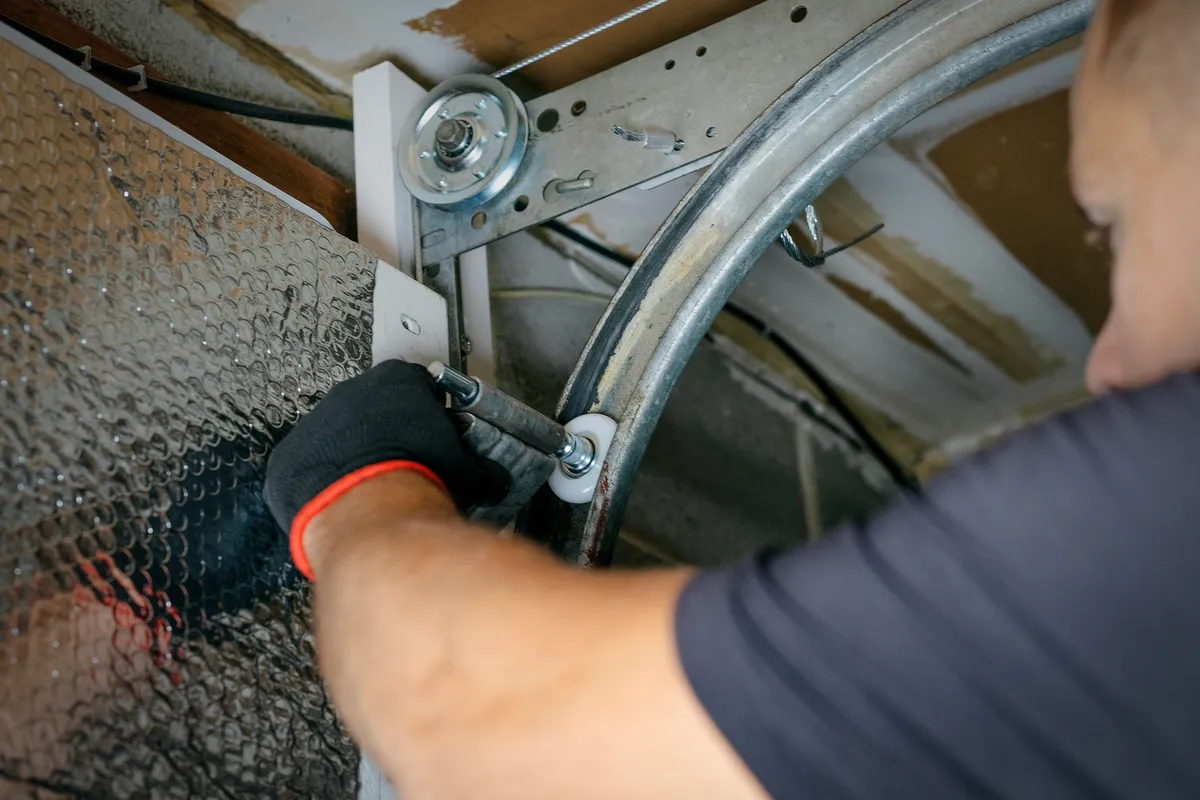
Which situation fits yours?
Common garage door problems fall into a few categories. Match your situation to find the right next step.
- Door won't open or close and opener hums or clicks: This is often a spring or cable failure, not an opener problem. The opener is running; the mechanical side is not. Stop using the door and request an inspection.
- Opener runs but door barely moves or feels very heavy: A heavy or struggling door points to a spring or balance issue. The opener is doing its job. Confirm whether the door operation appears normal during a professional check before concluding the opener needs replacement.
- Door grinds, scrapes, shakes, or travels unevenly: Roller, track, or hinge damage can cause binding and crooked travel. Stop operating the door manually if it feels rough or catches mid-travel. A professional inspection identifies whether springs or tracks are the root cause.
- Storm damage, flooding, or visible frame distortion: Post-storm repairs in Southwest Florida can require permits and may involve wind-rated replacement products. Read the local context section below before starting any work.
- Thinking about replacement instead of repair: Replacement is worth weighing when the door is structurally compromised, not wind-rated for your area, or when multiple components have failed at once. See the comparison table for guidance.
Common situations, repair directions, and next steps
Match your symptom to a likely repair direction. Note where local permit or safety checks apply before starting work.
Local factors that affect your repair decision
Southwest Florida has wind, flood, and code conditions that can change what a repair involves, whether a permit is needed, and what products are allowed for replacement.
Garage door repair questions
What is the common garage door repair?
Spring failures and spring-related hardware are the most repairs. Springs wear through repeated use and can break suddenly, often leaving the door stuck in place. Cable failures and roller or track damage are also common.
How do I know if it is the opener or the spring causing the problem?
If the opener runs but the door barely moves or feels extremely heavy, the spring system is the more likely cause. A door that moves smoothly by hand but does not respond to the opener points to opener controls, sensors, or drive components.
Does homeowners insurance cover garage door repair?
It depends on the cause. Damage from a named storm, falling object, or covered event may fall under a standard policy. Normal wear, mechanical failure, and accidental damage are less commonly covered. Check your policy terms before requesting a repair estimate if you plan to file a claim.
When does replacing a garage door make more sense than repairing it?
Replacement is worth considering when the door is structurally compromised, when it is not rated for the wind conditions at your property, when multiple components need repair at once, or when repair costs approach the price of a new door. In Southwest Florida, an older non-wind-rated door may also need replacement to meet current code when a permit is involved.
Do I need a permit to replace a garage door in Southwest Florida?
Permit requirements vary by city and by the nature of the work. Same-size residential replacement may qualify for a simplified process under state law in some cases, but local jurisdictions set their own rules. Properties in flood zones may face additional requirements. Check with your local building department before starting any replacement project.
Request a garage door repair estimate
Describe your situation, including your city, the symptoms you are seeing, and any storm or flooding context that may be relevant. Someone will follow up to discuss next steps.